
Reduces winter heat loss
Uninsulated brick veneer walls account for up to 35 percent of heat loss in older homes. Cavity insulation adds a thermal barrier that slows heat transfer, keeping living spaces warmer for longer.
Hawthorn East Wall Insulation
Cavity wall insulation for Hawthorn East homes reduces winter heat loss through brick veneer walls. We inspect, drill and fill cavities with bulk material to improve thermal resistance and cut heating costs.
Share your details and Expert Insulation Melbourne will contact you about Cavity Wall Insulation in Hawthorn East.
Cavity wall insulation fills the gap between the inner and outer leaves of brick veneer walls with bulk insulation. In Hawthorn East, many postwar and interwar brick homes have uninsulated cavities that let winter heat escape and summer heat enter. We inject glasswool or rockwool fibres through small holes drilled in the mortar, then patch and colour-match the entry points. The job typically takes half a day for an average home, depending on wall length and access.
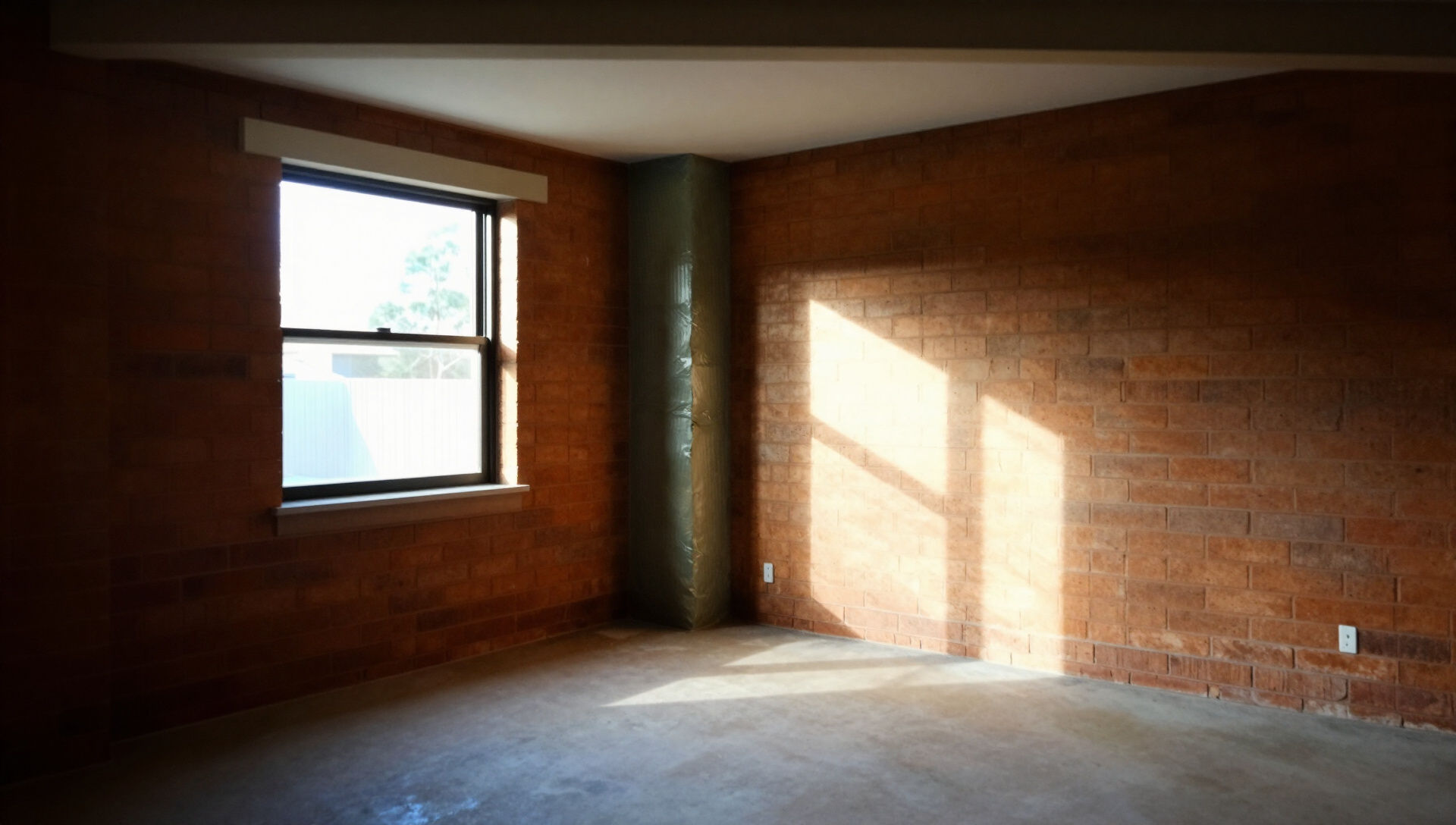
Hawthorn East’s older brick veneer homes lose a large portion of winter heat through uninsulated wall cavities. Filling these gaps improves thermal resistance, reduces draughts and lowers heating costs without altering the home’s exterior.
Uninsulated brick veneer walls account for up to 35 percent of heat loss in older homes. Cavity insulation adds a thermal barrier that slows heat transfer, keeping living spaces warmer for longer.
By stabilising indoor temperatures, cavity wall insulation reduces the workload on heaters and air conditioners. Homeowners in Hawthorn East often notice lower energy bills within the first season.
The process requires only small access holes in the mortar, which are sealed and colour-matched on completion. There is no need to remove internal linings or external cladding.
Bulk insulation in the cavity absorbs airborne noise from outside, reducing traffic and neighbourhood sounds that enter through the walls.
Properly installed cavity insulation helps manage moisture by maintaining a consistent temperature within the wall structure, reducing the risk of internal condensation.
Glasswool and rockwool fibres do not settle or degrade over time, maintaining their R-value and thermal resistance for the life of the building.
We follow a structured approach to ensure cavity wall insulation is suitable, effective and neatly finished for every Hawthorn East home.
We assess the wall type, cavity width and condition. Brick veneer is usually suitable, while some double brick or moisture-prone walls may not be. If old insulation is present and may contain asbestos, work stops until a qualified assessor inspects it.
Small holes are drilled in the mortar joints at regular intervals along the wall. These provide entry points for the insulation material and are positioned to avoid structural elements.
Loose glasswool or rockwool fibres are blown into the cavity under controlled pressure to ensure even distribution. We monitor fill levels to avoid over-packing, which can cause bridging or moisture issues.
Once the cavity is filled, the access holes are plugged with matching mortar and colour-matched to blend with the existing brickwork. The site is left clean with no visible signs of the work.
Hawthorn East contains many brick veneer homes built in the postwar and interwar periods, which often have uninsulated wall cavities. These homes benefit significantly from cavity wall insulation, as the outer brick layer and inner plasterboard lining create a gap that allows heat to escape in winter and enter in summer. Filling this cavity with bulk insulation improves thermal resistance without altering the home’s character or exterior appearance.
Reduce heat loss through brick veneer walls in Hawthorn East with cavity wall insulation.
Homeowners in Hawthorn East often have questions about how cavity wall insulation works, its suitability and the installation process. Here are answers to the most common queries.
Cavity wall insulation in Hawthorn East is a practical solution for improving the thermal performance of brick veneer homes. Many properties in this inner-eastern suburb were built with uninsulated wall cavities, leading to significant winter heat loss and higher energy bills. By injecting bulk insulation material into the cavity through small, discreet holes, we create a thermal barrier that reduces heat transfer without changing the home’s exterior.
The process begins with a thorough inspection to confirm the wall type and cavity condition. Brick veneer walls are typically suitable, while double brick or walls with moisture issues may require alternative solutions. If existing insulation is found and its composition is uncertain, work pauses until a qualified asbestos assessor provides clearance. This ensures safety and compliance with best practices for older Melbourne homes.
Once suitability is confirmed, we drill small access holes in the mortar joints and inject glasswool or rockwool fibres into the cavity. The material is distributed evenly to avoid gaps or over-packing, which could compromise performance or cause moisture problems. After filling, the holes are sealed with matching mortar and colour-matched to the brickwork, leaving no visible trace of the installation. Hawthorn East homeowners can expect improved comfort, reduced energy costs and a quieter indoor environment.
Improve your home’s thermal performance and reduce energy costs with cavity wall insulation. We service Hawthorn East and surrounding suburbs.